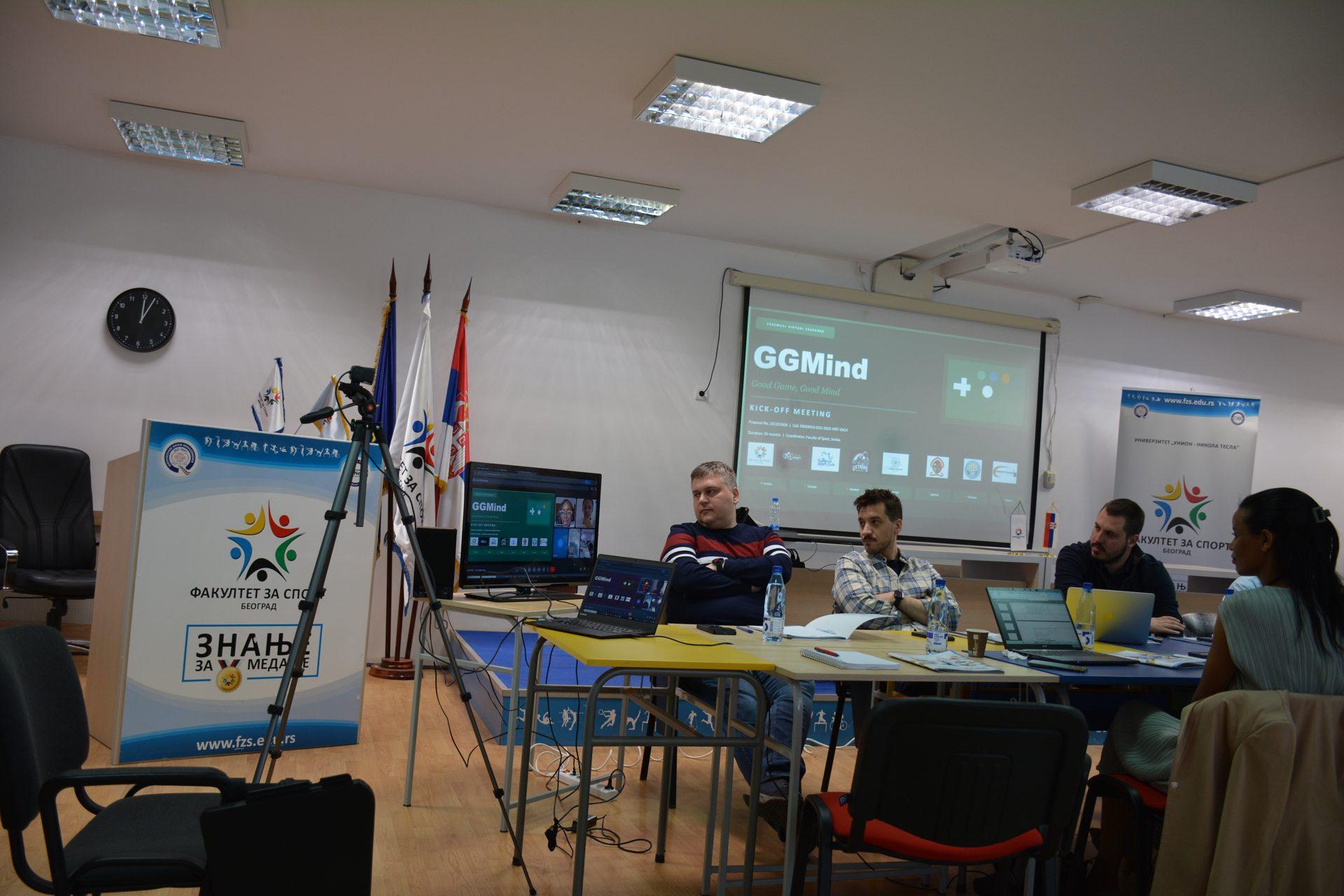
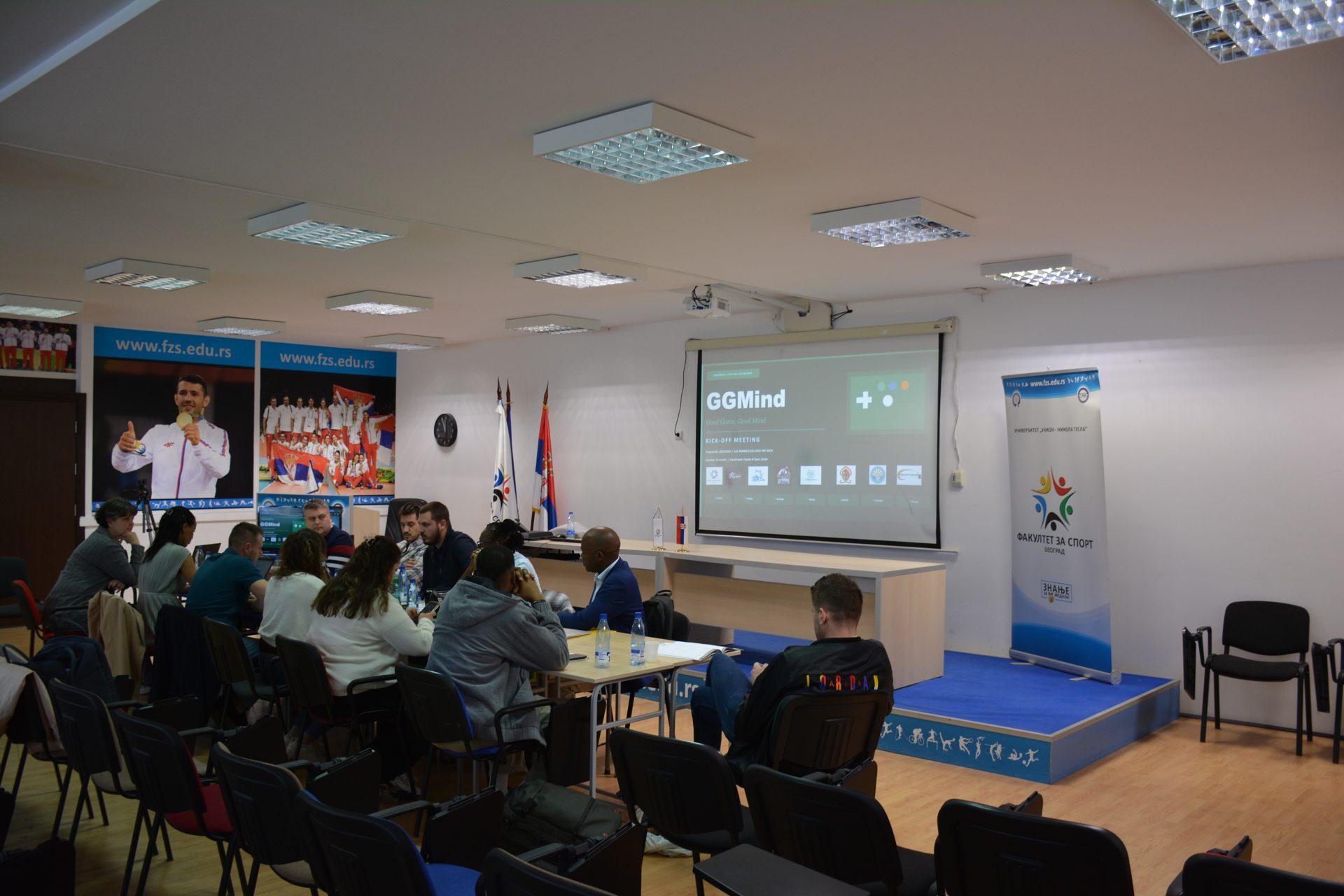
GGMind: International Erasmus+ Project Across Seven Countries
We deliver a three-year Erasmus+ project with eight partners from seven countries in Europe and Africa: consortium coordination, financial flows, research and reporting to the European agency.
The challenge
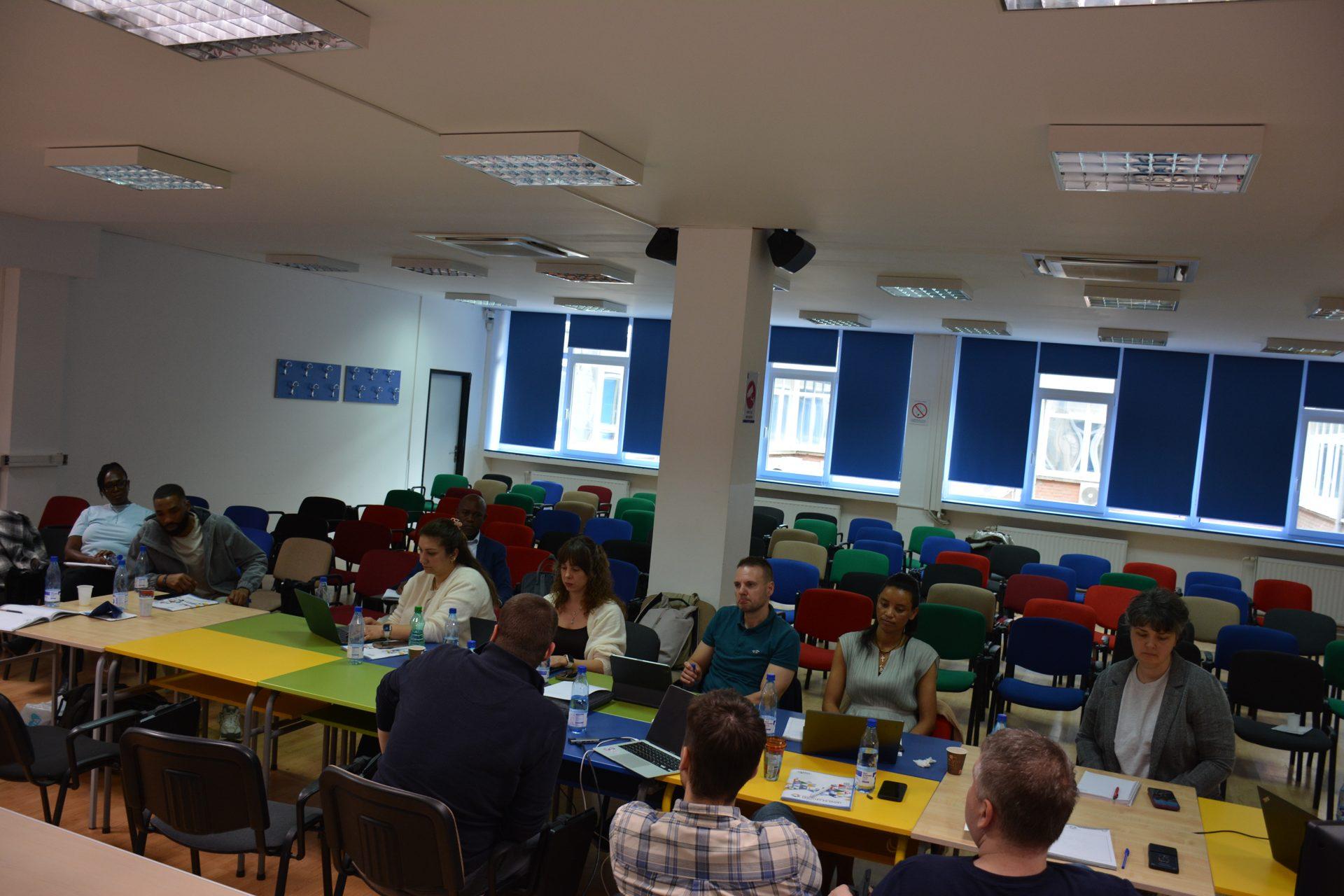
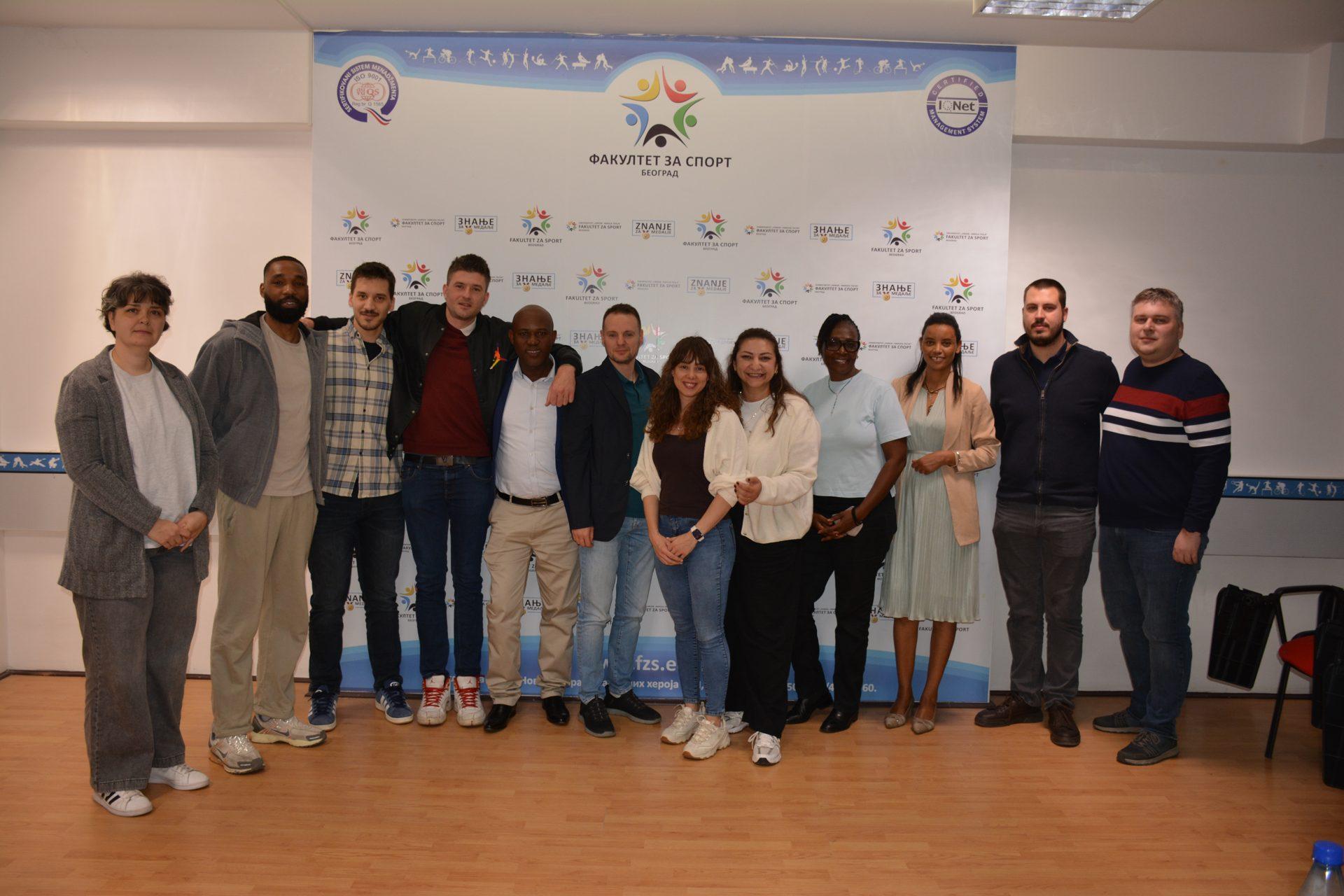
GGMind (Good Game, Good Mind) addresses mental health and toxic behaviour in online gaming among young people aged 13–30, under Erasmus+ Virtual Exchanges. Eight partners from Ethiopia, Ghana, Kenya, Norway, Serbia, Türkiye and Zambia work across time zones, with different administrative rules and different levels of EU project experience. Without firm operational coordination, deadlines would easily slip.
How we worked
- Project launch. We organised the consortium kick-off and set up the project management plan and a regular partner meeting rhythm.
- Contracts and finance. We prepared partnership agreement annexes, checked every partner's payment request and tracked fund transfers.
- Needs research. We coordinated data collection in seven countries, with surveys and focus groups for gamers and trainers, and checked that each partner submitted both raw data and analysis.
- Deliverable tracking. For every deliverable we tracked deadlines, responsible partners and status, and followed up with partners who fell behind.
- Dissemination. We contributed to the dissemination plan and the launch of the project's social media channels, with automated post scheduling.
- Reporting. We prepared and submitted the first set of deliverables to the European Education and Culture Executive Agency (EACEA) in the structure the approved application requires.
What we delivered
- A project management plan and meeting calendar
- Agreement annexes and processed partner payment requests
- Coordinated gamer and trainer needs research in seven countries
- Needs reports, a digital tools analysis and a dissemination plan
- The project's social media channels
Key figures
- 8 partners on three continents
- 7 countries in the research
- 36 months of project duration
Outcome
The first set of deliverables was submitted at the end of September 2026, and the consortium moved to a monthly coordination rhythm. The next phase is developing the trainer training format. We offer this kind of management of large, geographically spread consortia to any organisation entering an EU project with international partners.
Gallery