TRISA: Alternative Protein and Circular Agriculture, Montenegro
We managed the introduction of Tenebrio molitor larvae breeding as sustainable animal feed in Montenegro, from market research and a feasibility study to opening a pilot centre in Ulcinj and training local staff.
The challenge
Rising feed prices and unused organic waste were a problem for farmers in Montenegro. The answer was breeding Tenebrio molitor larvae, a protein source that feeds on organic waste. The technology was unknown in the region, with no local market data and no trained people. The project was supported by the United Nations Development Programme (UNDP) under the ODA Challenge Call.
How we worked
- Market research. We analysed Montenegro's animal feed market, demand for alternative proteins, competitors, farmers' attitudes and relevant EU regulations.
- Feasibility study. We assessed the breeding technology, local infrastructure, set-up and running costs for a pilot centre and revenue projections, with a risk mitigation plan.
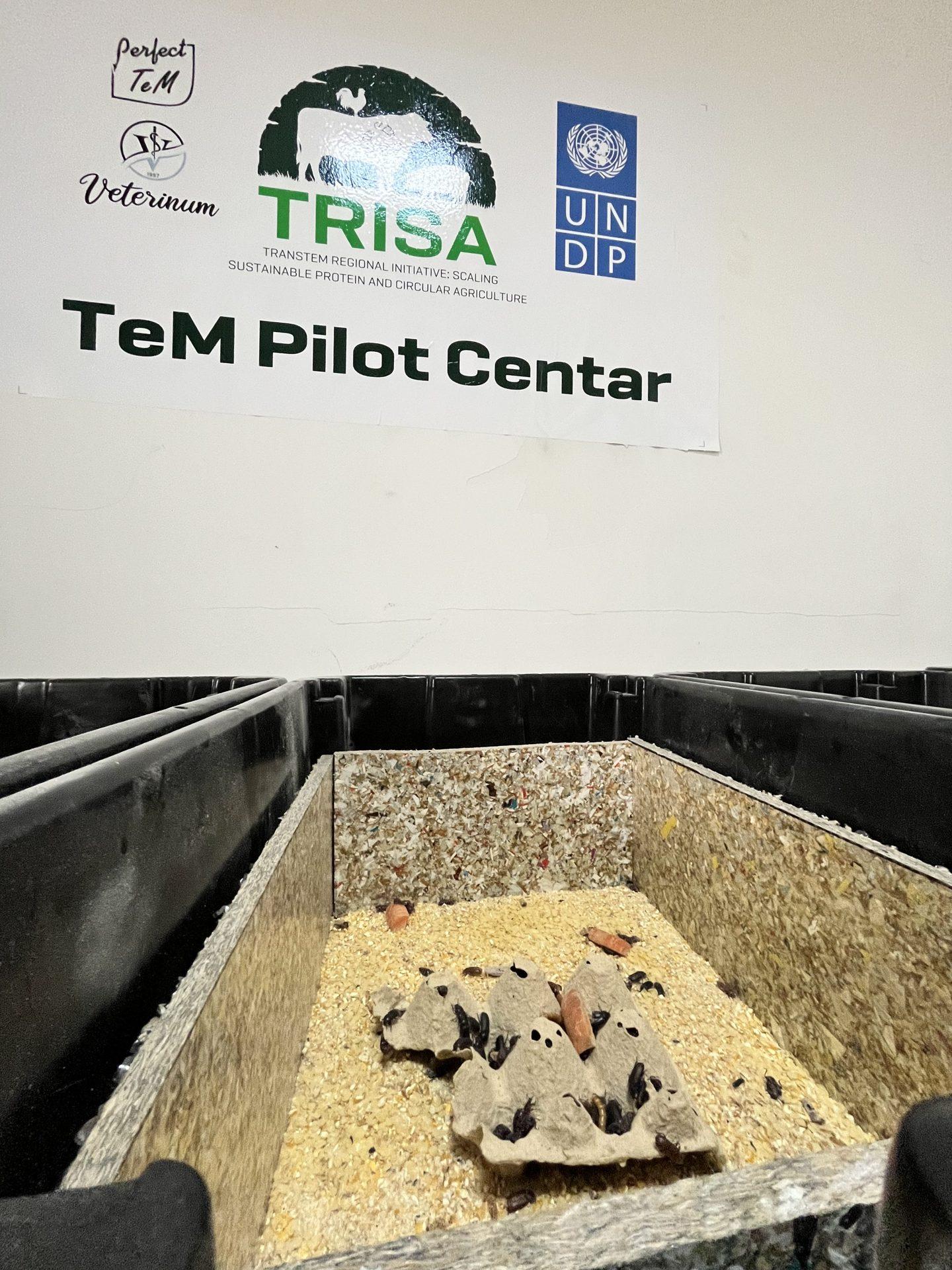
- Pilot centre. With an animal feed partner we designed and equipped a pilot breeding centre in Ulcinj and prepared the first colonies.
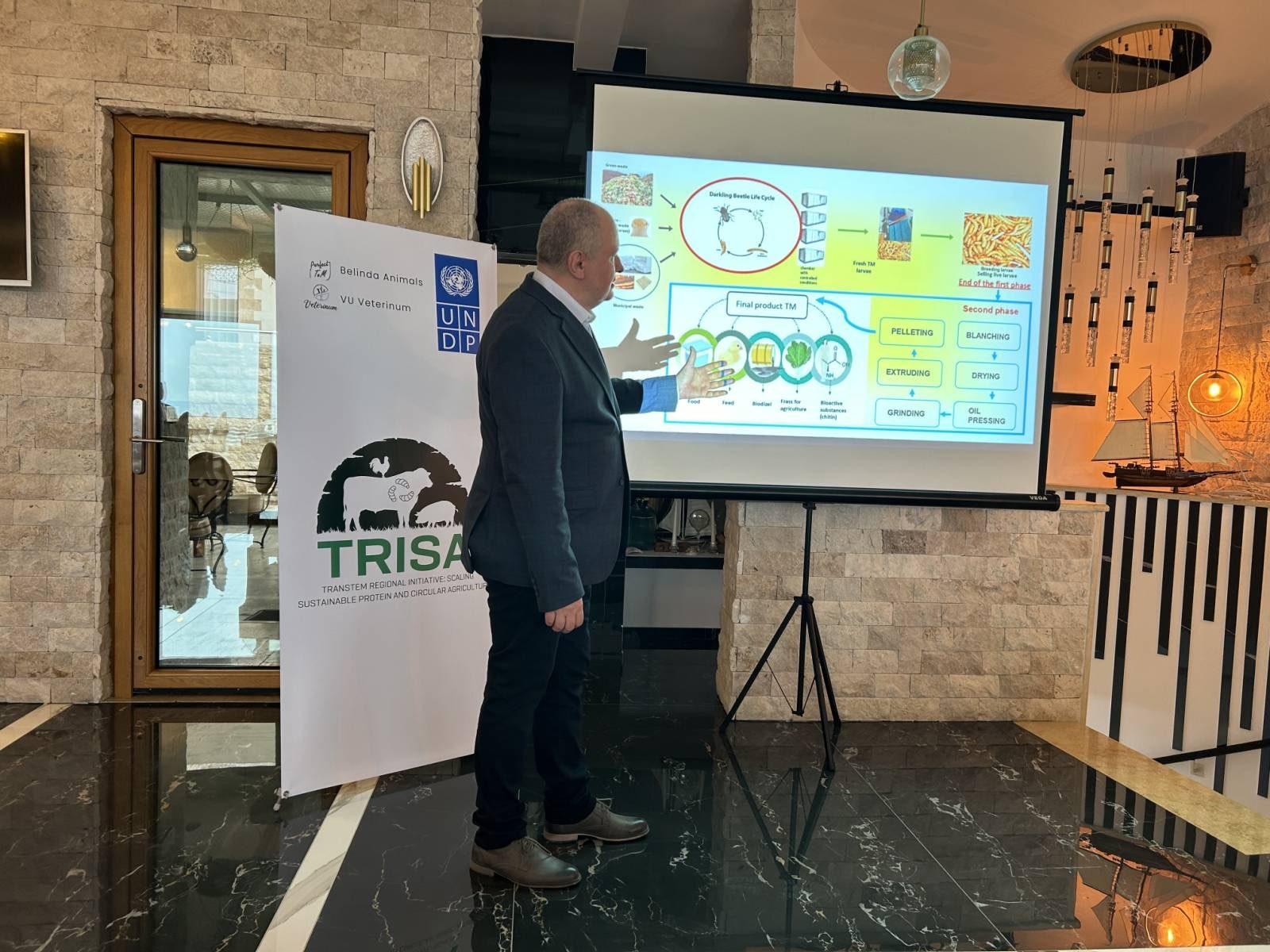
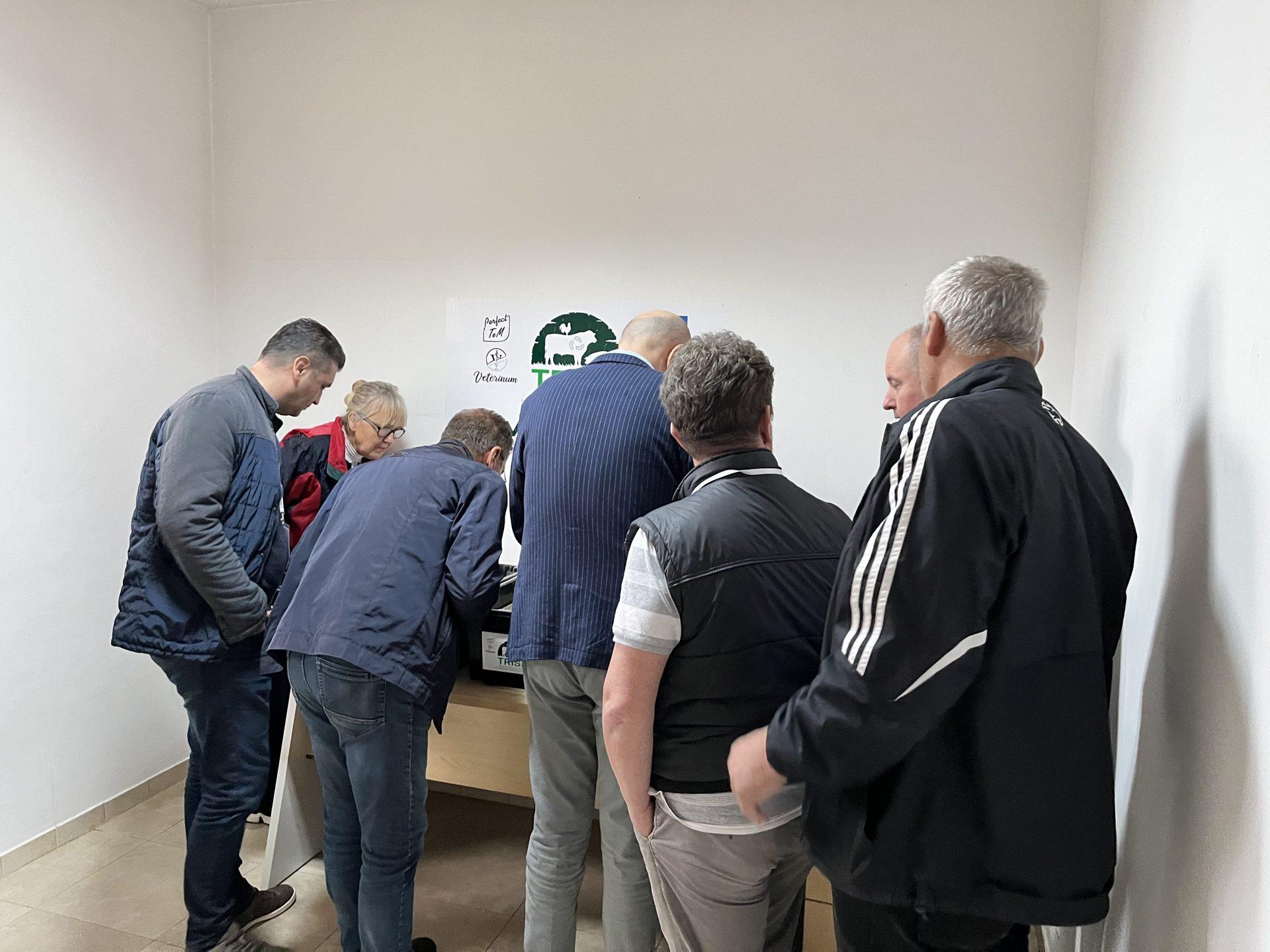
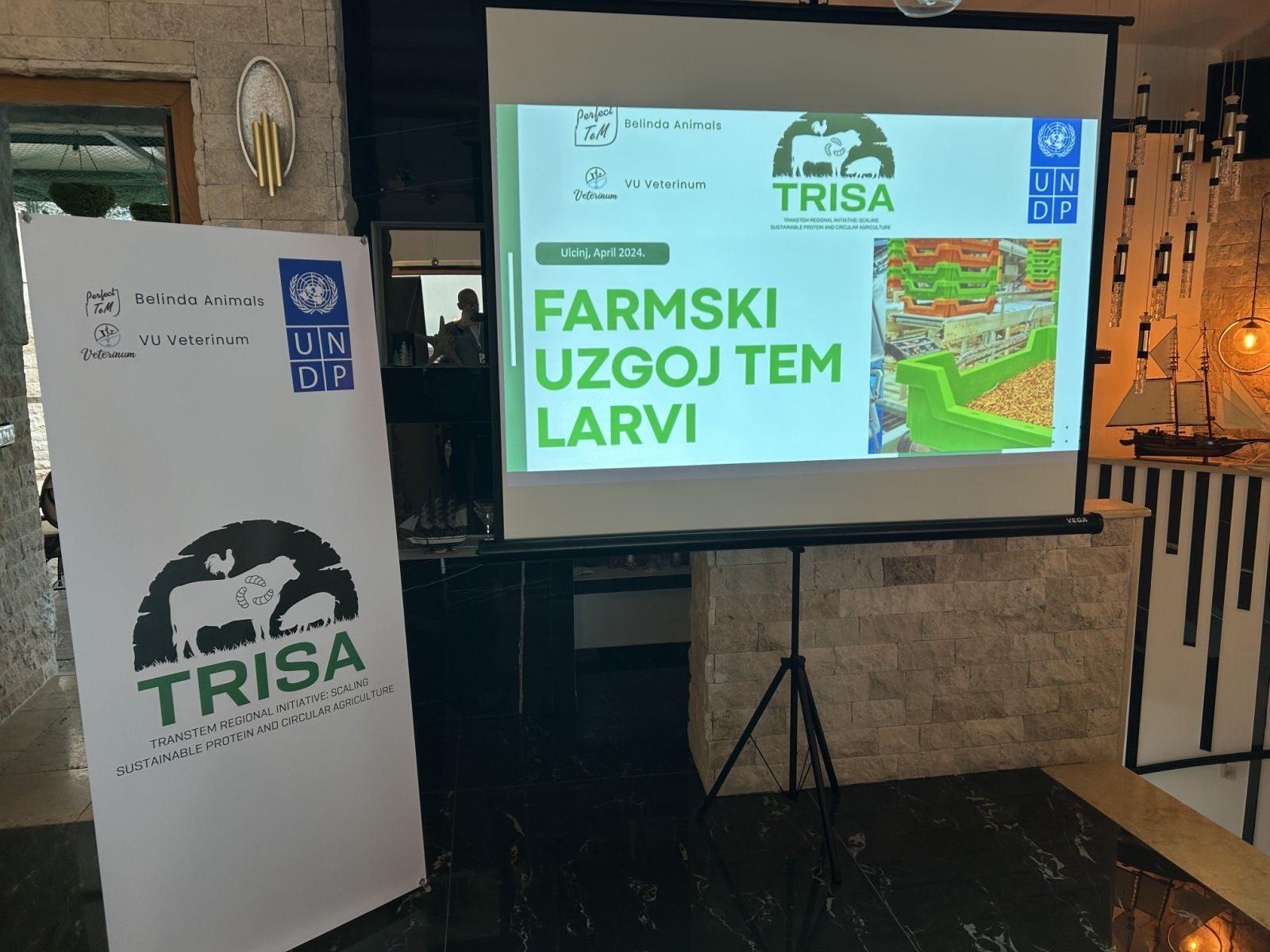
- Training and technology transfer. We ran training for 22 participants, staff and local farmers, on 23 April 2024, combining theory and hands-on work at the centre.
- Public launch. We organised a press conference, launched the project website and secured TV coverage of the centre's opening.
- Reporting. We prepared a visibility report and a final report with results and recommendations for scaling the model.
What we delivered
- Market research and a technological feasibility study (March 2024)
- A pilot breeding centre in Ulcinj
- A training programme and participant materials
- A press conference, project website and TV coverage
- A final report with scaling recommendations
Key figures
- 22 training participants
- 2 studies before investment: market and technology
- 1 pilot centre in Ulcinj
Outcome
The pilot centre is open, local staff are trained and the model is documented so that other farms and feed producers in the region can adopt it. We apply the same approach, with research before investment, a pilot before scaling and training for the people who will run it, to every project that introduces a new technology.
Gallery